Selected engineering work, from customer support and internal tools to connected AI agents.
Momentus · End-to-end system design and development
Autonomous support
Over 80% of support chats and tickets handled without human intervention.
System overview. The outcome covers chat and tickets together.
I built a support automation system from the ground up, integrating Zendesk with a deployable customer chat widget. The work brought customer-facing chat and ticket automation into one support system.
What I built
End-to-end support automation integrated with Zendesk.
A deployable chat widget for customer support.
AI workflows that handle support conversations and tickets autonomously.
Measured outcome
More than 80% of support chats and tickets were handled autonomously, without human intervention, over the six months preceding September 28, 2026. The result combines support chat and tickets.
My contribution
I designed and built the system from the ground up, connecting the support platform, AI services, and customer-facing chat experience.
Independent project · Platform architecture and full-stack development
Koobin
AI agents, workflows, and tools under one permission model.
Architecture overview based on the Koobin source; not an application screenshot.
I built Koobin as a self-hosted platform for organizations to run AI agents against their business systems. It brings chat, visual workflows, retrieval libraries, connected tools, and usage accounting into one application.
Agents, workflows, and knowledge
Configure agents, model providers, tools, and structured outputs; review tool calls through approve, edit, or reject cards.
Build versioned visual workflows with branches, loops, parallel work, sub-workflows, agent calls, and human input.
Connect documentation libraries, remote MCP tools, and integrations including Slack, GitHub, Jira, Zendesk, and Rocketlane.
Access and visibility
Organization and department grants, OIDC single sign-on, MFA, encrypted credentials, and audit events govern access.
Track model and tool usage alongside agent reliability; durable tasks and schedules survive worker restarts.
My contribution
Platform architecture, full-stack development, workflow execution, tool integrations, and the controls that make agent activity reviewable.
Cytracom · Internal portal development and systems integration
Internal tools
A shared portal for support automation and team enablement.
Capability overview based on the internal tools source; no internal screens or customer data are shown.
I built and expanded an internal tools portal that brought Zendesk support automation, communications administration, diagnostics, and everyday support utilities into one place. The goal was to help teams investigate issues, manage workflows, and complete repeatable tasks through usable tools.
Zendesk automation inside the portal
Ticket search and management, customer setup workflows, moderation, and spam management.
AI-assisted classification and response generation, with approval queues, escalation controls, and response history.
Response evaluation, regression checks, documentation insights, and knowledge-review queues.
Tools for team enablement
Contact CSV creation, validation, conversion, and API utilities for desktop communications workflows.
Phone configuration tools for generating and modifying device settings, including multipurpose keys, line keys, and account registration.
Network monitoring views, email diagnostics, and phone-number lookups to support investigations.
Audio conversion, transcription, text-to-speech, and structured-data utilities for recurring support tasks.
One connected workspace
A React portal connects Python and Node.js services with Zendesk and communications APIs. Role-based access, shared navigation, audit views, and operational dashboards make the tools usable across support and enablement workflows.
My contribution
Portal and tool development, API integration, support automation, and translating hands-on support experience into workflows that other teams could use.
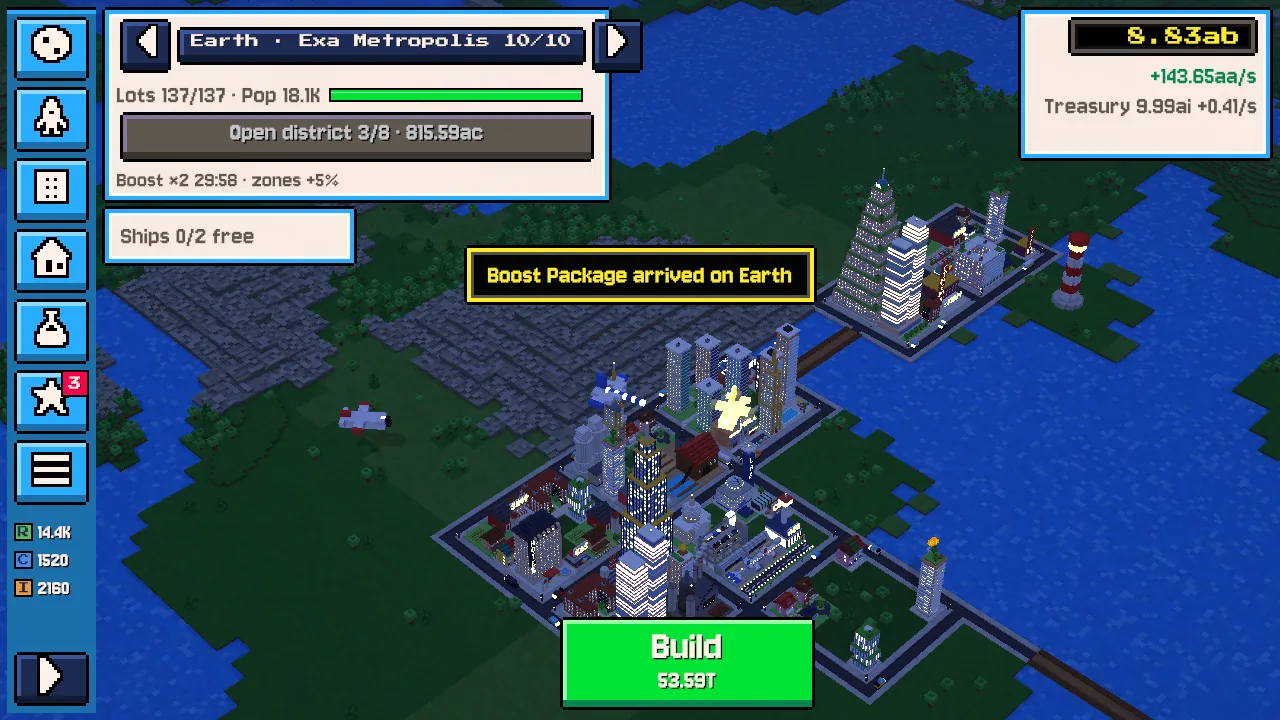
Exa Metropolis on Earth, from the Bit Universe game website.
A 3D idle city builder with colony economies, building upgrades, vehicles, logistics, and a progression system spanning multiple worlds.
Begin with a small settlement on Earth and expand through 100 hand-made colony maps across ten worlds, ending on Triton. The game combines local city planning with an interplanetary economy: research upgrades, automate construction, and connect colonies through shared funds, ships, and trade.
Coming soon to iPhone and iPad, Android, PC via Steam, and VR. Release dates and supported VR headsets are still to be announced.
My role: Game design and development
Ten worlds with distinct systems: lunar solar power and batteries, Martian terraforming, floating Venus cities, finite asteroid reserves, and delayed income on Triton.
Governors, research, build queues, and automated upgrades develop a colony into a self-sustaining economy.
A shared fleet carries resources and construction supplies between worlds; trade routes connect exports with import demand.
Prestige Keys provide permanent income growth, with 41 achievements and upgradeable offline earnings of up to 48 hours.
Pure C# economy rules, evolving save migrations, and automated tests for economy and progression behavior.
Buildings that evolve
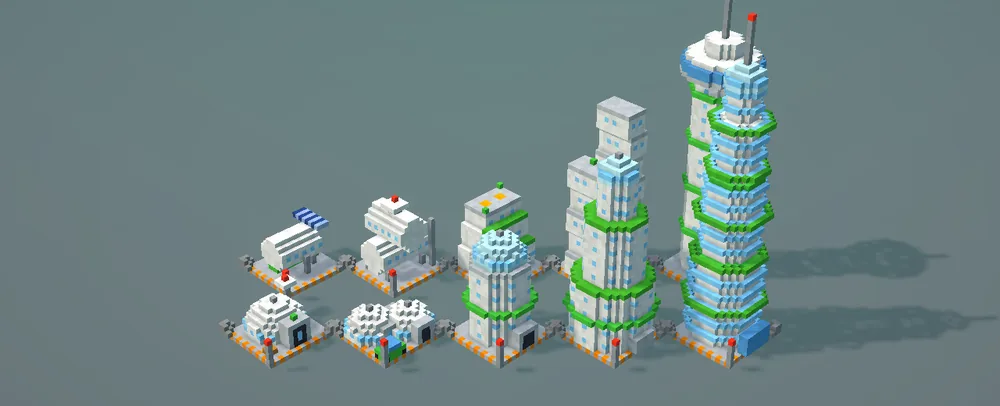
Building upgrades change the city itself, with scaffolding and new architectural stages. Players can lock a favorite style while continuing to progress. Vehicles, collectible coins, and illuminated windows bring the day/night cycle to life.
The Moon habitat progression, from dome to tower.
From one colony to a solar-system economy
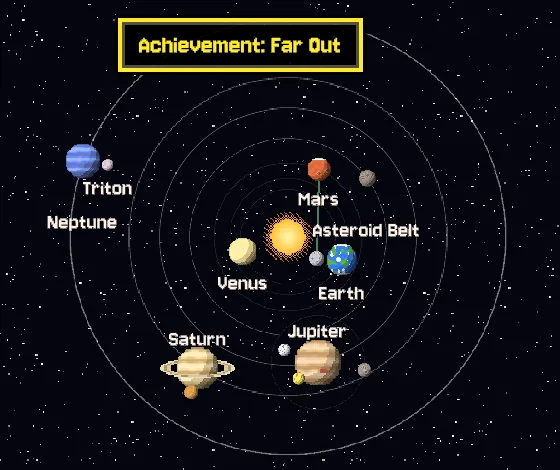
Colony wallets grow into world funds and an Interworld Treasury. Planet-specific resources, fleet fuel, market events, and cross-world deliveries connect individual cities into a larger simulation.
The in-game system map and the Far Out achievement.
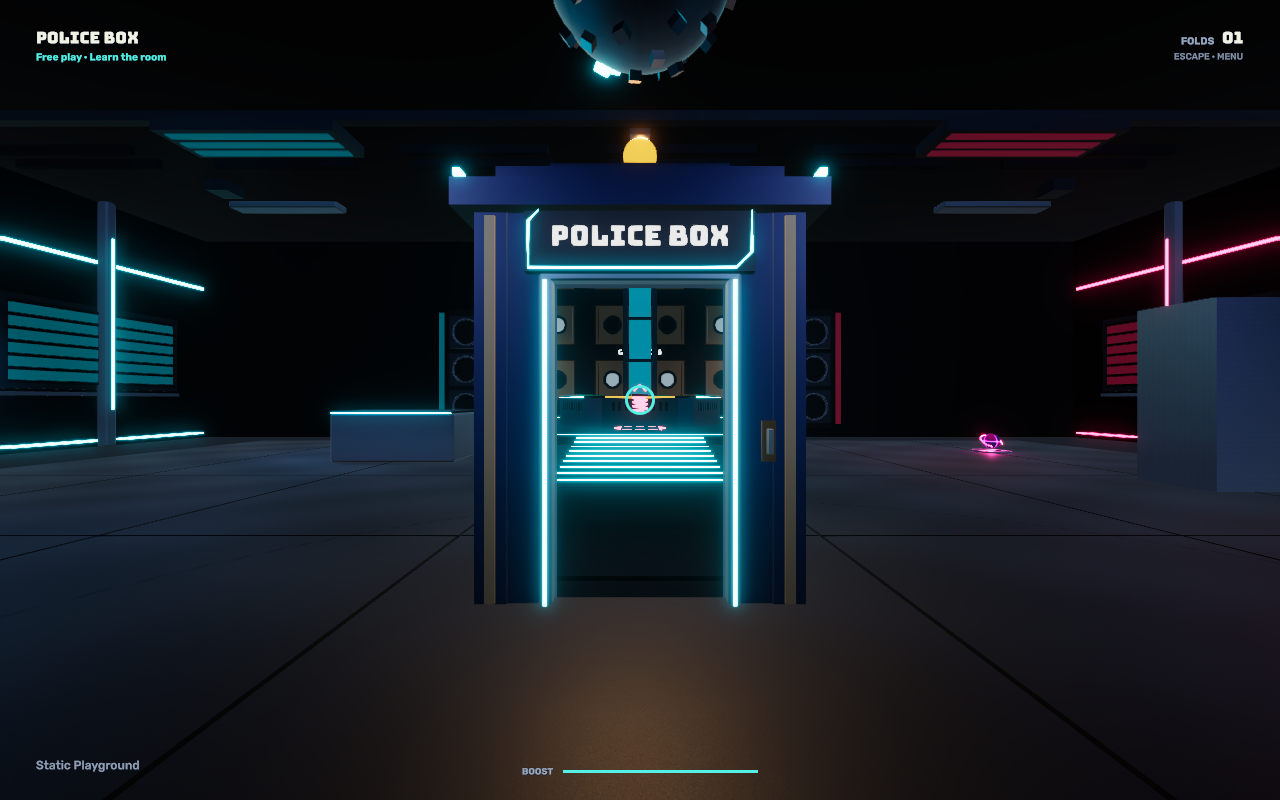
Dodgeball, Laser Tag, and Tracer in impossible nightclubs.
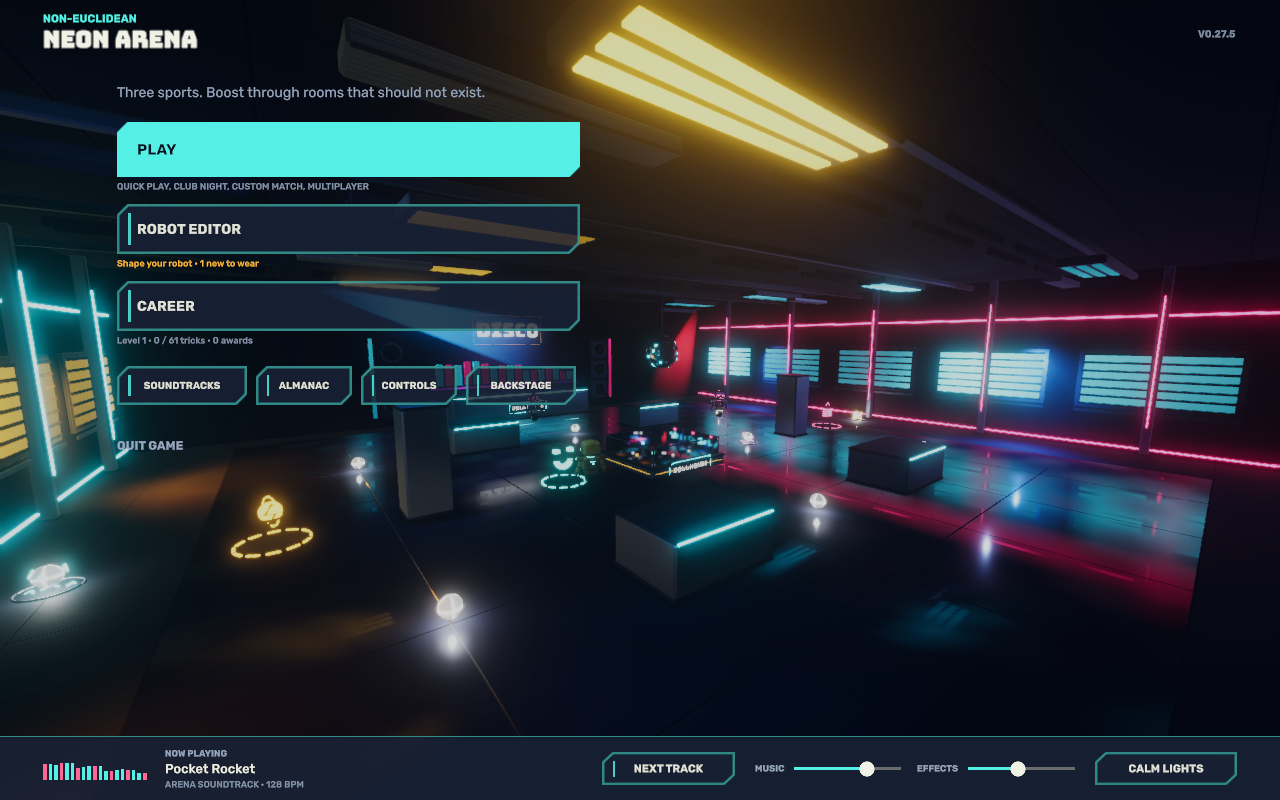
Actual development build, version 0.27.5.
A robot arcade-sports game where portals, warped scale, and gravity-changing spaces turn the arena into part of the strategy. Play Dodgeball, Laser Tag, or Tracer with bots, friends, or local split-screen players.
Built in Unity and C#, the project brings together impossible-space rendering, host-authoritative multiplayer, portal-aware opponents, a robot editor, and a continuous original soundtrack.
My role: Game design and development
Rendered folds connect spaces that cannot physically fit together: larger interiors, stretched rooms, mirrored routes, and inverted gravity.
Three sports share courts, local views, bots, and multiplayer rules; projectiles and beams interact with the arena folds.
Bots navigate portals, remember pickups, predict shots, and time defensive actions.
Career statistics, a trick book, and earned robot cosmetics reward play without changing competitive abilities.
Desktop packaging for Windows, macOS, and Linux; shared keyboard, controller, and touch input paths.
The arena is the mechanic
A shortcut can change scale, reverse an angle, or lead into a room larger than its exterior. The challenge is making these transformations agree across rendering, movement, projectiles, bot navigation, and networked play.
Development capture of the Police Box court; the interior is larger than the exterior.
Unity · C# · URP · Game AI · Multiplayer
In development
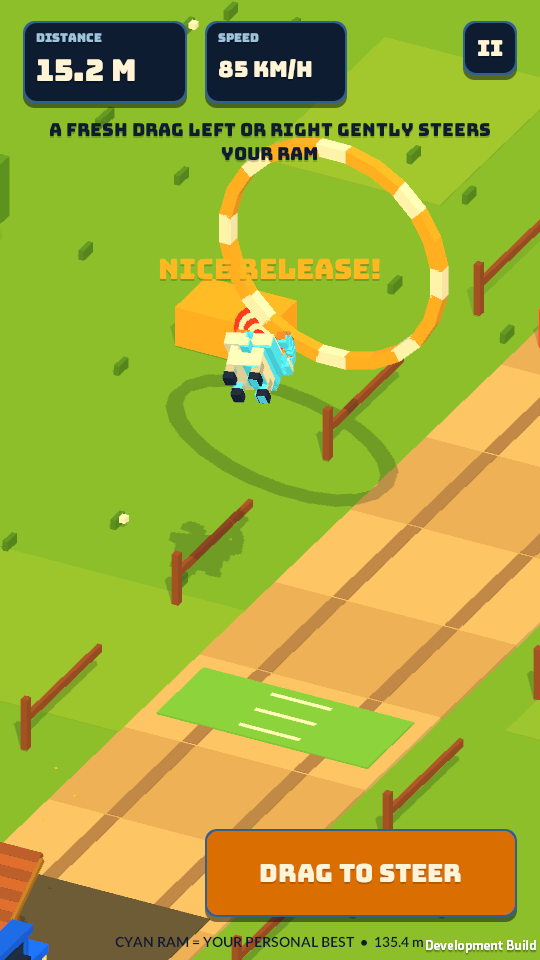
Ram Ramp
Keep the ram aboard. Brake, launch, and chain the flight.
Development capture of Ram Ramp in the portrait phone layout.
A physics-driven arcade game about a toy ram riding in a pickup. Balance the throttle to keep it aboard, brake at the right moment, then steer through farmyard bounce chains.
Designed around short mobile sessions, with a portrait interface, guided first-flight lessons, responsive desktop controls, and an offline progression system.
My role: Game design and development
Truck acceleration, cargo friction, braking, and ram flight combine into a skill-based launch rather than a single power meter.
Twenty-two campaign stages span farm, quarry, and snow courses, with trampolines, updrafts, ice lanes, and earned flight abilities.
Long Haul chains seeded course sections; personal-best ghosts, Stunt Cards, missions, and trophies add replay goals.
Original procedural toy models and synthesized reactive audio, with cosmetic customization and atomic local saves.
Windows and Android build pipelines; physical-phone validation and storefront release work remain in progress.
Unity · C# · Physics · Mobile · Procedural art
In development
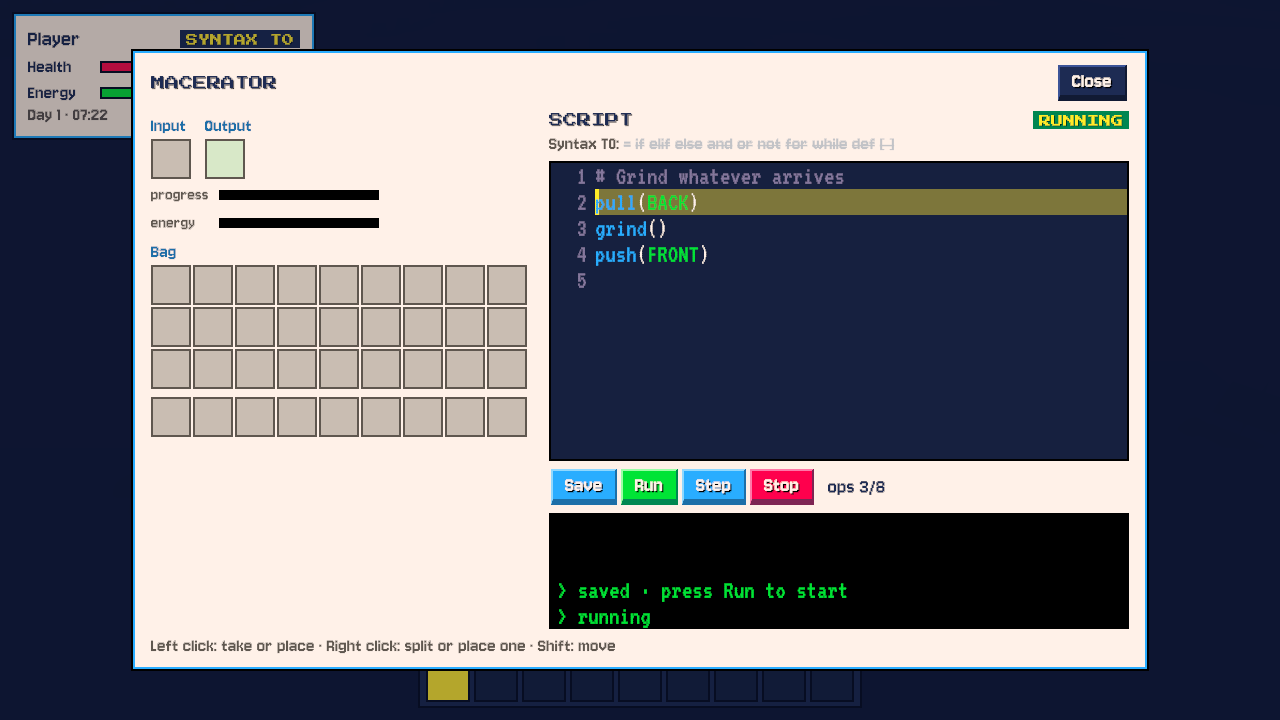
Scriptlands
Survive, build a factory, and program every machine.
Development capture of the in-game machine script editor.
A third-person voxel survival and automation game where programming is part of the technology progression. Mine, craft, and explore, then connect machines, pipes, power, and signals with scripts written in a Python subset.
The playable slice includes procedural terrain, crafting, farming, night enemies, scripted machines, a quest book, and direct-IP co-op. Early syntax tiers are implemented; the broader language and technology progression remain in development.
My role: Game design and development
A custom interpreter runs player scripts inside a bounded operation budget, separate from the Unity presentation.
An in-game editor supports running, stepping, line tracing, and readable errors for factory scripts.
Pure C# world and factory simulation covers item pipes, generators, electric machines, batteries, and signal networks.
Server-authoritative co-op uses a custom TCP protocol, shared world rules, and server-checked movement.
Seeded biomes, caves, ore, world saves, and adaptive synthesized music connect exploration with factory building.
A world built around automation
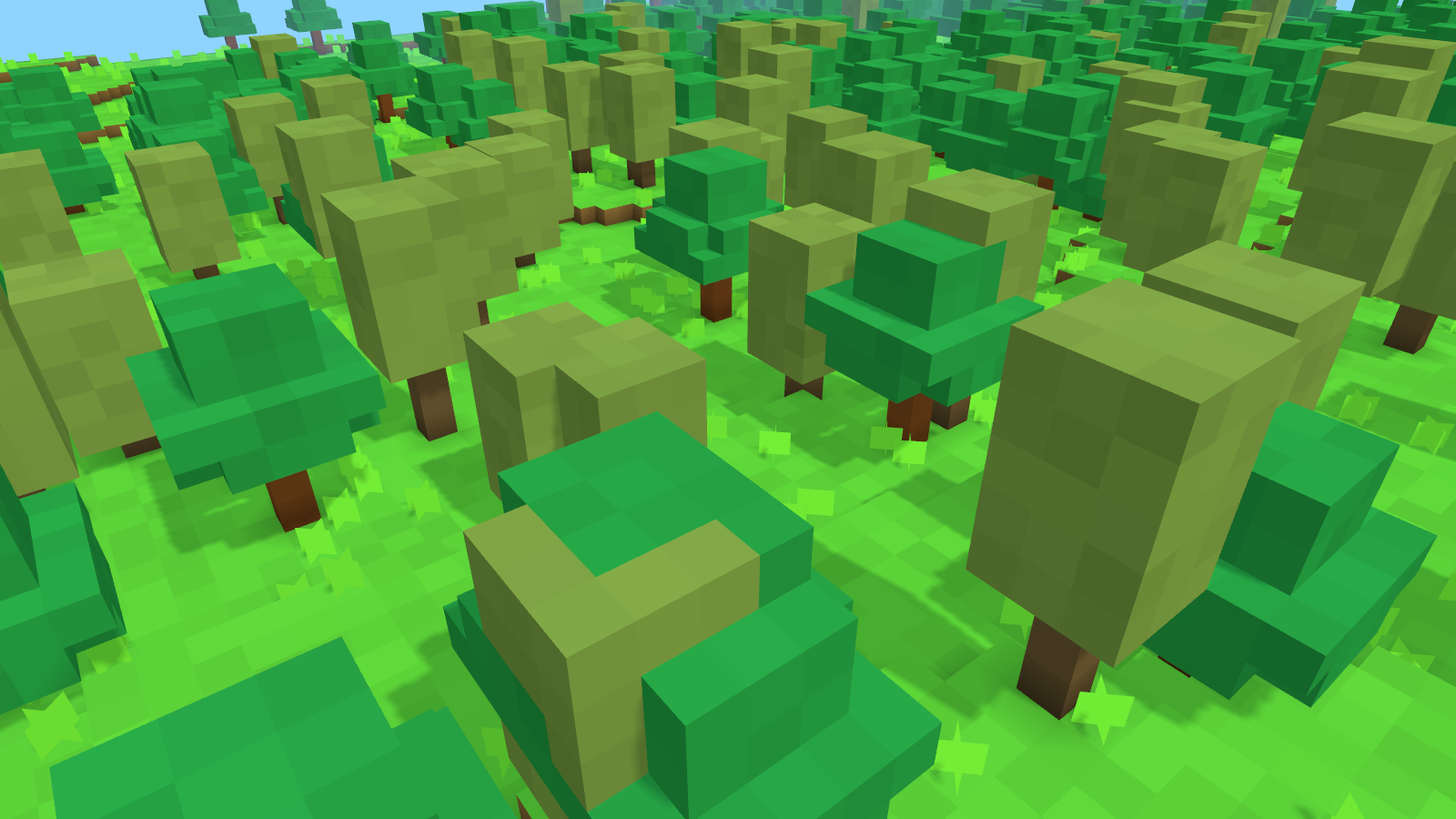
The factory is part of a survival world. Players start with tools and hand crafting, repair a broken machine near spawn, and unlock the syntax that makes more complex production possible.
Development terrain capture from the Scriptlands source checkout.
Rebuild a homestead where other histories break through.
Gameplay systems overview drawn from project documentation; not a gameplay screenshot.
An open-world survival game set in a lakes region where fragments of other histories appear at night. Scavenge by day, build a home, and enter the Wake quietly: noise can tear a fragment apart and release echo infected.
The project combines exploration and a persistent homestead with interconnected survival, vehicles, settlement progression, and a streamed world. The authored expedition path reaches the Ridgeway and greenhouse beats; co-op remains experimental.
My role: Game design and development
Nightly Wake incursions connect stealth, sound, rare supplies, and recordings from alternate histories.
A homestead grows through recovered components for water, radio, medical support, power, and vehicles.
Interlocking systems include weapon condition, ammunition, food spoilage, radiation protection, and vehicle fuel and components.
Streamed locations, settlements, contracts, and configurable survival rules support different ways to explore.
Unity/C# development with persistence, world streaming, and experimental host-authoritative co-op.
Unity · C# · World streaming · Survival systems · Persistence
In development · self-hosted
Voice Identity Studio
Turn recordings into reviewed, reusable speaker identities.
V4 workflow overview; schematic rather than an application screenshot.
A self-hosted audio studio for vocal isolation, speaker diarization, transcription, and matching speakers across recordings, with a browser-based segment editor and per-speaker exports.
The V4 application extends the earlier processing pipeline into a complete review workflow: resumable media ingestion, identity matching, human review, voice profiles, and voice-replaced renders. Local GPU engines are the default; external providers are optional.
My role: Full-stack development and audio pipeline engineering
Match speakers across files with confidence scores, review queues, project or workspace scope, and reversible identity merges.
Review transcripts and speaker segments in a timeline editor, audition original and separated stems, and export speaker audio.
Resumable uploads support browser-side audio extraction or retained video proxies.
Consent-gated voice profiles and voice replacement retain provenance; native RVC supports training and conversion.
Face tracking in retained video can suggest links to voice identities; ambiguous matches remain for review.
FastAPI and React coordinate PostgreSQL-backed state and background GPU jobs, with authenticated API and MCP access.
AI agents, workflows, and tools under one permission model.
Architecture overview based on the Koobin source; not an application screenshot.
A self-hosted platform for organizations to run AI agents against their business systems. Koobin combines streaming chat, visual workflows, retrieval libraries, realtime voice, and usage accounting with explicit access grants and tool approvals.
The architecture separates the web application from durable background work, so long-running agent turns, media processing, and scheduled tasks have their own worker queues.
My role: Platform architecture and full-stack development
Configure agents, model providers, tools, and structured outputs; review tool calls through approve, edit, or reject cards.
Build versioned visual workflows with branches, loops, parallel work, sub-workflows, agent calls, and human input.
Connect documentation libraries, remote MCP tools, and integrations including Slack, GitHub, Jira, Zendesk, and Rocketlane.
Organization and department grants, OIDC single sign-on, MFA, encrypted credentials, and audit events govern access.
Track model and tool usage alongside agent reliability; durable tasks and schedules survive worker restarts.
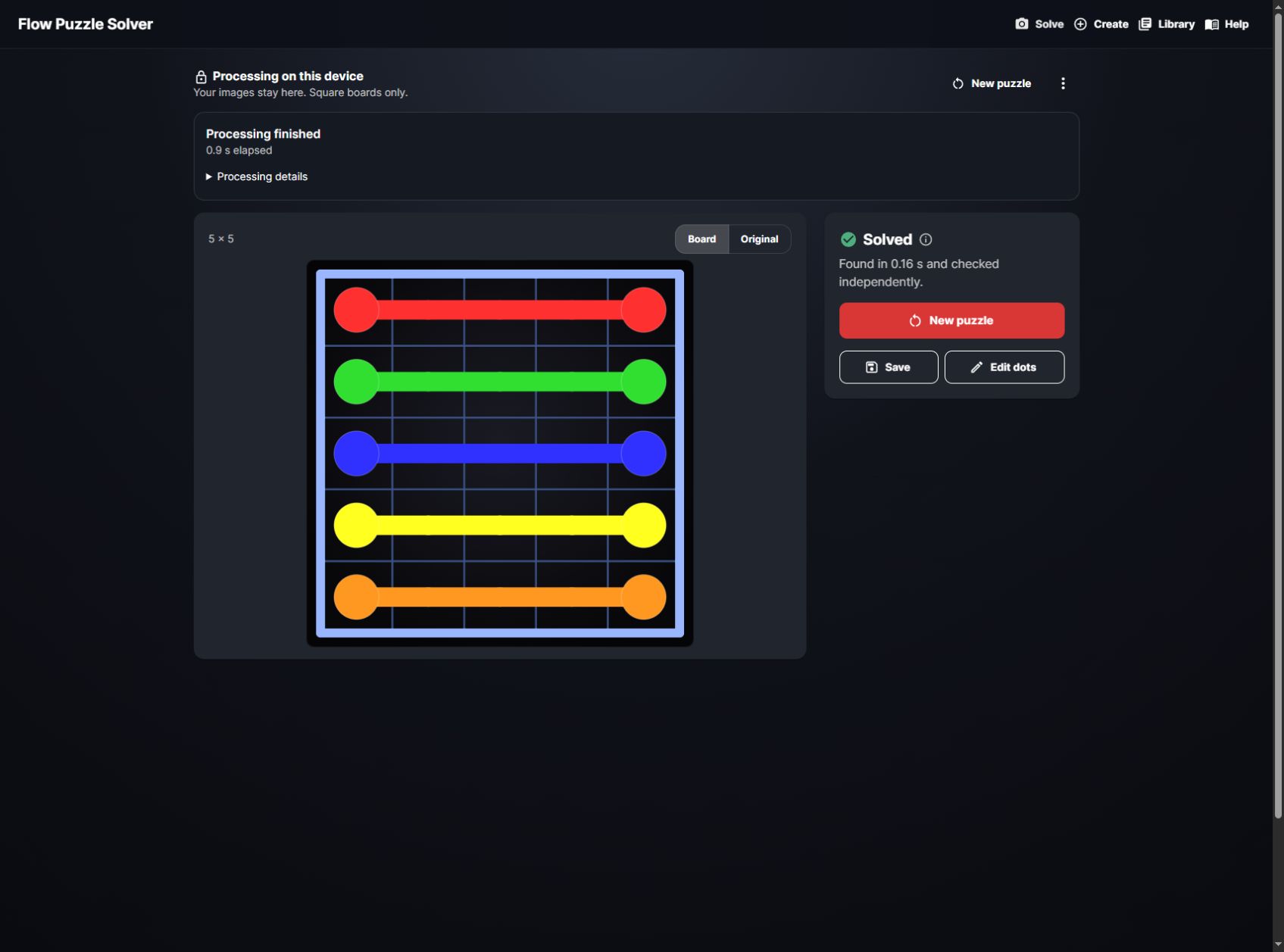
From a puzzle screenshot to a solution, entirely on your device.
Actual imported puzzle geometry and independently verified solution from the full Python solver. Irregular-region solving is not yet available in the live browser edition.
A free web app that turns a screenshot of a Flow / Numberlink-style puzzle into a solved board. Choose, drop, or paste an image, check the detected colored dots, correct any mistakes, and solve directly in the browser.
Image processing and solving run on the visitor's device. Puzzle screenshots are not uploaded to a processing server. The app is hosted on Cloudflare Workers Static Assets using free static hosting, with no backend compute service required.
My role: Full-stack development and solver engineering
Screenshot detection finds regular board outlines and color pairs, with a visual editor for correcting dots and adjusting board corners.
Z3 compiled to WebAssembly solves path constraints locally, removes disconnected cycles, and independently checks the resulting solution.
Dedicated Web Workers keep image processing and search off the interface thread, with progress details and a Stop control.
An IndexedDB library saves puzzles in the browser; .flow import and export let users move their puzzles between devices.
The live edition supports square-grid boards up to 20 × 20, including rectangular layouts and manually entered holes. Bridges, walls, and warps are not supported yet.
Solving beyond regular grids
The full solver models a puzzle as connected regions rather than assuming a rectangular grid. This example uses 35 irregular cells with cutouts: all four pairs are connected, every region is covered, and the resulting paths pass an independent validity check.
Example: IMG_3246 from the source puzzle corpus, solved with the Python Z3 engine.
The hosted device-only app currently supports square-grid boards, including rectangular layouts and manually entered holes.
Built for static hosting
The browser downloads a compressed solver runtime, verifies its size and integrity, and initializes it locally. React and TypeScript provide the screenshot-to-solution workflow, while Cloudflare serves the app and WebAssembly assets. No account is needed to solve a puzzle.
The live browser experience
The public site keeps screenshot processing, board review, and square-grid solving on the visitor's device.
The live site solving its built-in demo in the browser, captured September 30, 2026.
A team capstone project completed for my B.S. in Computer Science at the University of Texas at Dallas. We combined a React and Next.js interface, a Rasa conversational engine, and a Flask backend to connect conversations with application data.
My role: Capstone team member
REST integrations with databases and external APIs.
Context-aware conversational responses.
In-house two-factor authentication.
React · Next.js · Rasa · Flask · REST APIs
Personal project
Plants vs. Zombies automation
Image recognition turns game screens into automated actions.
A screen automation bot for Plants vs. Zombies minigames and the Zen Garden, using OpenCV image matching and PyAutoGUI controls.
My role: Automation and interface development
DearPyGui controls for selecting a mode and run duration.
Slot-machine minigame automation for collecting sun and placing plants.
Zen Garden routines for plant care, resource purchases, and snail feeding.
Python · OpenCV · PyAutoGUI · DearPyGui
Experience
Ntracts
100% remote
Developing AI capabilities for internal operations and product experiences.
Building internal AI tools and automation to support teams and business workflows.
Contributing to product capabilities through AI engineering and systems integration.
Senior AI Engineer
Jun 2026 – Present
Advance Velocity
100% remote
AI consulting focused on support automation, connected systems, and customer-facing AI experiences.
Built an end-to-end Zendesk support automation system and deployable chat widget for Momentus.
Over 80% of support chats and tickets handled autonomously without human intervention, across the six months preceding September 28, 2026.
Senior AI Consultant
Jun 2026 – Present
AI Consultant
Mar 2025 – Jun 2026
Cytracom
Allen & McKinney, Texas
Business communications provider. Five roles in five and a half years, from Tier 1 support to solutions engineering.
Rebuilt internal portals with integrated public and internal APIs, substantially improving organizational efficiency
Built a shared internal portal for Zendesk automation, diagnostics, and team enablement.
Developed ticket moderation, routing, reporting, and communications administration tools.
Applied agentic workflows to code-development automation.
Built a GUI for parsing and generating Grandstream, Yealink, SNOM, and Polycom phone configurations.
Solution Engineer
Jan 2025 – Jun 2026 · McKinney, Texas · On-site
Automation Engineer
Apr 2024 – Mar 2025 · Allen, Texas · Hybrid
Built and maintained AI-automated solutions for support ticketing
Developed and maintained internal support tools
Led resolution of bug-related and engineering issues
Managed technical programs and monitored ICU boards
Senior Technical Support Engineer
Apr 2022 – Apr 2024 · Allen, Texas
Resolved complex bug-related and engineering issues for the Application Support team
Maintained availability and reliability of published internal support tools
Configured call routing, call-quality monitoring, and BLF features, including firmware upgrades
Supported desktop, mobile, and integration platforms
Ran at least one feature or bug demo per week to train the team
Docker / Compose · Linux · Cloudflare static hosting · Git · pytest · Playwright · Vitest · NUnit / Unity Test Framework · Deterministic replay and validation
Systems & Tools
Systems engineering · Requirements engineering · Systems integration · Zendesk API · Microsoft Azure · .NET / WPF · USB HID integration · VoIP configuration tooling
Education
M.S. Systems Engineering and Management
The University of Texas at Dallas Jan 2025 – May 2028 (expected)
B.S. Computer Science
The University of Texas at Dallas Aug 2022 – May 2024